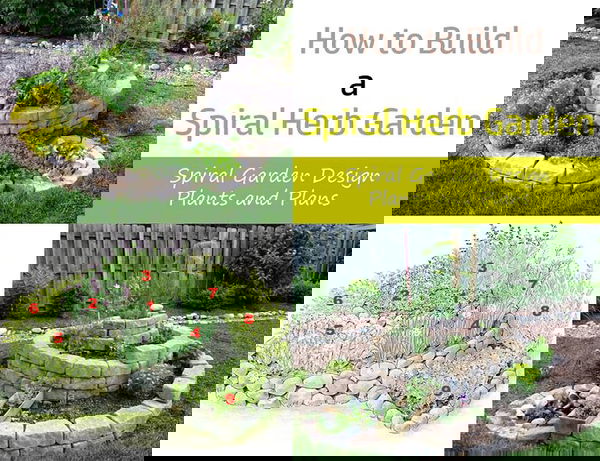
Unlocking Garden Potential: Why a DIY Herb Spiral is a Game-Changer
Imagine a vibrant, thriving garden feature that not only looks stunning but also offers an abundant supply of fresh herbs, all within a surprisingly small footprint. This dream becomes a reality with a DIY Herb Spiral. This ingenious design, rooted in permaculture principles, revolutionizes how we think about growing herbs, especially for those with limited space. Far more than just a decorative mound of soil, a well-constructed herb spiral is a powerhouse of horticultural efficiency, creating a mosaic of microclimates that cater to a diverse array of plants.
For gardeners seeking to maximize their yields while minimizing effort and resources, the herb spiral is an unparalleled solution. It's a smart outdoor planter that consolidates various growing needs into one cohesive structure. Instead of numerous individual pots or scattered garden beds, a single spiral can host an entire culinary apothecary. This efficiency is a primary reason why many, after encountering this clever design in permaculture literature or fellow gardeners' yards, feel compelled to build one for themselves. It’s an immediate conversation piece, a testament to thoughtful garden design that sparks curiosity and admiration, often leading to a cascade of questions about its construction and benefits.
The beauty of building with bricks or stones isn't just aesthetic; it's fundamental to the spiral's functionality. Unlike simple soil mounds that can erode quickly, a robust brick or stone structure provides stability, holds soil in place, and crucially, retains warmth. This thermal mass property is key to creating the varied growing conditions that make the herb spiral so effective. If you're ready to transform your gardening space, you'll find that a DIY herb spiral made with lasting materials is one of the smartest and most rewarding projects you can undertake. To delve deeper into optimizing your garden with this method, consider exploring our detailed guide on Build Your Own Herb Spiral: Maximize Herbs in Small Spaces.
Crafting the Perfect Environment: Understanding Herb Spiral Microclimates
The true genius of the herb spiral lies in its ability to generate multiple growing environments – known as microclimates – within a compact area. This allows you to cultivate a wide spectrum of herbs, each with unique requirements for sun, moisture, and temperature, all within arm's reach. This unique design naturally mimics diverse natural habitats, providing optimal conditions for each plant.
Here’s how these microclimates are created:
- The Sunny, Dry Top: As the spiral ascends, the highest point is exposed to the most sun and wind. Water naturally drains downwards, making this area the driest. This is the ideal spot for herbs that thrive in arid, sun-drenched conditions and prefer "dry feet," such as Rosemary, Sage, Thyme, Oregano, and Lavender. The thermal mass of the bricks also retains heat, releasing it slowly through the night, further benefiting these Mediterranean varieties.
- The Moderate Middle Zone: Moving down the spiral, you'll find areas with moderate sun exposure and slightly more moisture retention. This transitional zone is perfect for herbs that appreciate consistent moisture but don't want to be waterlogged, such as Parsley, Chives, Summer Savory, Fennel, and Stevia. These herbs benefit from the dappled shade cast by the higher parts of the spiral during certain times of the day.
- The Cool, Moist Base: The very bottom of the spiral receives the least direct sun and, thanks to gravity, accumulates the most moisture. This area can even offer a slight bit of shade, making it perfect for moisture-loving herbs like Cilantro, Mint (with a critical caveat – see below!), and Lemon Verbena. You can even create a small boggy area at the very bottom for plants like watercress if desired.
The bricks themselves play a vital role. They absorb solar radiation throughout the day, acting as a thermal battery. This stored warmth is then radiated outwards during the cooler evening hours, extending the growing season and providing a cozy environment for heat-loving herbs. This intelligent design requires significantly less watering compared to herbs in individual containers, as the mass of soil and bricks helps to retain moisture more effectively. To truly appreciate how this design maximizes diverse growing conditions, we recommend reading The Smart Herb Spiral: Grow Diverse Herbs with Microclimates.
Planning Your Brick Herb Spiral: From Concept to Construction
Before you lay your first brick, thoughtful planning is key to building a successful and beautiful DIY Herb Spiral. This preparatory stage ensures your structure is not only sturdy but also perfectly suited to your garden and your chosen herbs.
Selecting the Ideal Location
The placement of your herb spiral is paramount. Aim for a spot that receives a minimum of 6-8 hours of direct sunlight daily, as most herbs are sun-worshippers. Proximity to your kitchen is also a huge advantage – imagine stepping out your door to snip fresh basil or rosemary for dinner! Consider ease of access for planting, watering, and harvesting. While the spiral promotes drainage, ensure the chosen site doesn't have existing drainage issues that could lead to waterlogging at the base.
Gathering Your Materials: Bricks and Beyond
One of the most appealing aspects of a brick herb spiral is its potential for sustainability and cost-effectiveness.
- Bricks: Reclaimed bricks are an excellent choice. Not only are they environmentally friendly, but they often come with a beautiful weathered patina that adds character to your garden. You can source them for free or at low cost from construction sites (always ask permission!), online classifieds, demolition projects, or even friends and neighbors who are remodeling. Aim for bricks of a consistent size for easier stacking, but don't be afraid to embrace a little irregularity for a more rustic charm.
- Alternatives: If bricks are hard to come by or don't suit your aesthetic, consider natural stones, seasoned wood (ensure it's non-toxic and won't leach chemicals into your soil), or a combination of materials. The key is to use something robust that will hold the soil securely and provide thermal mass.
- Soil Mix: You'll need a substantial amount of good quality soil. A blend of nutrient-rich topsoil and organic compost is ideal. You might also want to incorporate some sand or perlite, especially for the upper levels, to enhance drainage for drought-loving herbs.
Essential Tools
For a basic dry-stacked brick spiral, you won't need an extensive toolkit:
- Shovel and spade
- Wheelbarrow (for moving soil and bricks)
- Garden hose and watering can
- Measuring tape and string
- Stakes (to mark out your spiral)
- Spirit level (to ensure stability)
- Rubber mallet (for gently adjusting bricks)
Preparing Your Base
Once you've chosen your spot, it's time to prepare the ground. First, mark out the approximate 5-foot by 5-foot (or similar) footprint of your spiral. Clear any existing weeds, grass, or debris. Level the area as much as possible. For added stability and drainage, especially if you have heavy clay soil, consider laying down a 2-4 inch base layer of gravel or crushed rock before you begin stacking bricks. This will help prevent settlement and ensure proper water movement.
Step-by-Step Construction: Building Your Lasting Brick Herb Spiral
Building your DIY Herb Spiral is a rewarding process. Focus on creating a solid, stable structure that will endure for years, rather than just mounding soil. Here’s a detailed guide:
1. Laying the Foundation
Start by outlining the base of your spiral on your prepared, leveled ground. You can use string and stakes to help guide your initial circular shape, roughly 5-6 feet in diameter. Begin laying your first course of bricks, creating an outer ring. This initial layer should be as level as possible, as it sets the stage for the entire structure. Use your spirit level frequently.
2. Building Upward and Inward
As you build subsequent layers, you'll gradually reduce the diameter, creating the characteristic spiral shape that winds upwards.
- Dry Stacking: For most DIY enthusiasts, dry stacking bricks is the simplest and most forgiving method. It allows for easy adjustments and the gaps between bricks provide extra aeration for roots. For stability, try to overlap bricks (like brickwork on a house) so that the joints of one layer are covered by the bricks of the next.
- Mortar (Optional): If you desire a more permanent, rigid structure and have experience with masonry, you can use mortar between the brick courses. This will create a very durable wall, but it's a more involved process and less flexible for future changes. For a first-time build, dry stacking is highly recommended.
- Filling as You Go: To maintain stability and prevent the walls from collapsing, fill the internal space with your prepared soil mix as you build each layer. Tamp the soil gently to remove large air pockets, but avoid over-compacting. This also allows you to progressively assess the height and slope.
- Creating the Spiral Effect: With each ascending layer, bring the inner edge of your brick course slightly inward, creating the spiral path. The top of the spiral will be its highest and narrowest point. Aim for at least three to four distinct levels or "zones" within your spiral to achieve diverse microclimates.
As you near the top, ensure the highest point is well-defined and stable. The entire structure should feel solid and secure. The beauty of using bricks is their inherent strength and ability to hold the soil effectively, preventing the erosion that often plagues simple soil mounds.
Populating Your Spiral: Smart Planting for Abundant Harvests
With your magnificent brick herb spiral built, the exciting part begins: populating it with a bounty of fresh herbs. Strategic planting ensures each herb thrives in its preferred microclimate, leading to healthier plants and more flavorful harvests.
Strategic Placement is Key:
- Top (Sun-Loving & Dry): This is the sunniest, driest, and often warmest spot. Plant herbs that love full sun and excellent drainage here.
- Rosemary: Woody, drought-tolerant, loves heat.
- Sage: Prefers dry conditions, great for culinary and ornamental use.
- Thyme: Sprawling, tough, thrives in poor, well-drained soil.
- Oregano: Similar to thyme, loves sun and dry soil.
- Lavender: Beautiful, aromatic, and requires superb drainage.
- Middle (Moderate Sun & Moisture): As you move down, conditions become slightly cooler and more consistently moist.
- Parsley: Enjoys consistent moisture and some shade in hot climates.
- Chives: Adaptable, but appreciates good drainage.
- Summer Savory: A lovely annual herb that likes moderate conditions.
- Fennel: Needs good sun but appreciates slightly more moisture than the top tier.
- Stevia: The natural sweetener, prefers warmth and regular moisture.
- Calendula: Edible flowers that thrive in sunny, well-drained spots but appreciate some moisture.
- Bottom (Moist & Cooler): This is the coolest, shadiest, and most consistently moist area due to water drainage.
- Cilantro: Tends to bolt in too much heat, benefits from the cooler, moister base.
- Lemon Verbena: While it loves sun, it appreciates consistent moisture.
- Watercress: If you can maintain a consistently damp or boggy area at the very bottom, watercress will thrive.
The Critical Mint Warning!
While mints (peppermint, spearmint, lemon balm, etc.) love moisture, they are incredibly vigorous and invasive. If planted directly into your herb spiral, they will quickly send out runners and choke out all your other herbs. The solution? Plant mints in a pot and sink the pot into the soil at the bottom of the spiral. This will contain its roots while still allowing it to benefit from the moist conditions. This is a non-negotiable tip for maintaining the diversity of your spiral.
Before planting, ensure your soil is well-prepared. Water thoroughly after planting to help establish the roots. With a little strategic planning, your herb spiral will quickly become a productive and beautiful centerpiece of your garden.
Maintaining Your Herb Spiral for Continuous Growth
Once established, your DIY Herb Spiral is designed to be relatively low-maintenance, but a few consistent practices will ensure its longevity and productivity.
Smart Watering Practices
One of the benefits of the spiral's microclimates is reduced overall watering. However, individual plants will still have different needs. Water the top section less frequently, allowing the soil to dry out between waterings, perfect for rosemary and sage. The middle and bottom sections will require more regular watering. Observe your plants and the soil moisture to guide your hand. Overhead watering will naturally help distribute moisture downwards.
Feeding and Soil Health
Herbs generally don't require heavy feeding. A light top-dressing of compost annually in spring will replenish nutrients and improve soil structure. For heavy feeders or those showing signs of nutrient deficiency, a diluted liquid organic feed can be applied. Regularly check the soil pH; most herbs prefer a slightly neutral to alkaline soil.
Pruning and Harvesting
Regular harvesting is the best way to encourage bushy growth and prevent your herbs from becoming leggy or going to seed too quickly. Pinch back new growth to promote branching. For woody herbs like rosemary and thyme, prune lightly throughout the season to maintain shape and encourage fresh foliage. Remove any spent flower stalks unless you are collecting seeds.
Pest and Disease Management
A healthy herb spiral is often resilient to pests and diseases. Inspect your plants regularly for any signs of trouble. Early detection is key. Most common herb pests (aphids, spider mites) can be managed with organic solutions like neem oil or insecticidal soap. Good air circulation, aided by thoughtful plant spacing, helps prevent fungal issues.
Winterizing (for Colder Climates)
In regions with harsh winters, some tender perennial herbs (like stevia or some basils) may not survive outdoors. You might need to bring them indoors or treat them as annuals. Hardier herbs like thyme and sage typically overwinter well in a brick spiral due to the thermal mass providing some insulation, but a layer of mulch can offer extra protection.
Embrace the Spiral: A Lasting Legacy of Freshness
The journey of building a DIY Herb Spiral with bricks is one of the most rewarding endeavors a gardener can undertake. From the initial vision to the final flourishing cascade of aromatic foliage, you're not just constructing a garden bed; you're engineering a sustainable ecosystem. This enduring structure, built with the timeless beauty of bricks, will not only provide a continuous supply of fresh, diverse herbs for your culinary adventures but also serve as a captivating focal point in your outdoor space. It's an investment in efficiency, beauty, and the sheer joy of growing your own food, proving that even in a compact area, gardening possibilities are truly limitless. So, gather your materials, plan your design, and embark on creating a lasting legacy of lasting beauty and abundant harvests right in your own backyard.